Buying guide · Prices checked
The best grinder for the Gaggia Classic Pro
By Iris Calder · Updated · What changed
The Gaggia Classic Pro E24 takes a 58 mm portafilter, per Gaggia. Whole Latte Love lists it with three baskets: commercial single and double baskets, which are non-pressurized, and a pressurized double. The commercial baskets are the reason to buy a Classic Pro, and they need a grinder that grinds fine and adjusts in small steps.
Every grinder below is in our data as able to grind for espresso, and passes the same pairing rule as our quiz: priced between 15% and 150% of the machine. Specs come from the makers’ pages unless marked; prices are retailer snapshots. We have not used these grinders ourselves.
Which basket, and why the grinder matters
Gaggia describes the included pressurized basket as the beginner-friendly option for ground coffee and ESE pods. It is fine for a start, but it sets the pressure itself, so a better grinder changes little.
The commercial (non-pressurized) baskets rely on the coffee for resistance. That is where grind size, dose and ratio change the taste, and where a capable grinder pays off. Espresso Aficionados says small grind changes can move a shot by 5–10 seconds, which is why capable espresso grinders have micro-steps or stepless adjustment, and that no grinder under $100 new grinds fine or consistently enough for unpressurized baskets.
Two more notes from Espresso Aficionados before you buy: it calls the Classic Pro “generally not recommended stock”, and says the included baskets and tamper are worth replacing, so budget at least another $60 for accessories. Gaggia’s spec list shows no PID temperature control, and an over-pressure valve set to 9 bar.
At a glance.
| Grinder | Type | Price | Total with Classic Pro E24 | Burrs | Adjustment | Single-dose |
|---|---|---|---|---|---|---|
| 1Zpresso J-Ultra | Hand | $199 | $698 | Conical, 48 mm | 8 µm per click, external dial | Yes, by design |
| KINGrinder K6 | Hand | $109 | $608 | Conical, 48 mm | 16 µm per click, external dial | Yes, by design |
| Turin DF54 | Electric | $212 | $711 | Flat, 54 mm | Stepless collar | Yes |
| Baratza Encore ESP Pro | Electric | $300 | $799 | Conical, 40 mm | Stepless | Yes |
| Fellow Opus 2 | Electric | $200 | $699 | Conical, 48 mm | Stepless | Yes |
| Turin DF64 Gen 2 | Electric | $354 | $853 | Flat, 64 mm | Stepless | Yes |
| Eureka Mignon Specialita | Electric | $449 | $948 | Flat, 55 mm | Stepless | No, hopper-fed |
| Eureka Mignon Facile | Electric | $349 | $848 | Flat, 50 mm | Stepless (per the retailer) | No, hopper-fed |
Specs from the manufacturers’ pages, except where marked. Prices as of Oct 27, 2026; totals use the Gaggia Classic Pro E24 at $499. How we source specs.
Hand grinders: the lowest-cost route
-
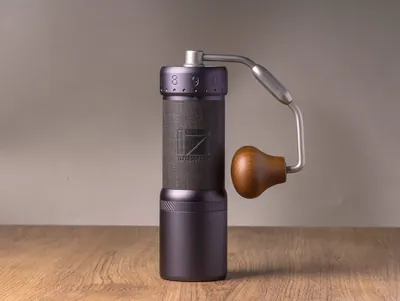
Espresso-focused, with the finest published steps here: 8 µm per click and 48 mm burrs, per 1Zpresso. A good match for commercial baskets if you do not mind grinding by hand.
-
The lowest-priced espresso-capable grinder in our data: 48 mm conical burrs and 16 µm per click, per KINGrinder. Our rules allow it with the Gaggia but rank it last, mostly because it is cheap next to the machine: our rules want a bigger share of the total on the grinder.
Electric, stepless, about $200–300
-
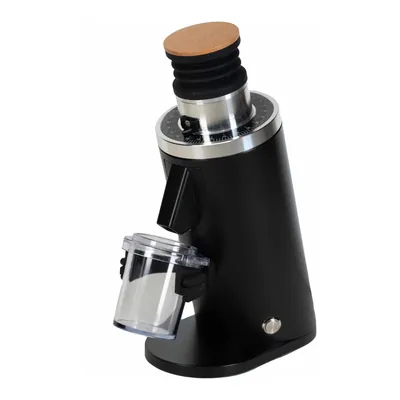
54 mm flat burrs, stepless and single-dose, per Turin. The least expensive stepless flat-burr electric in our data.
-
Baratza calls it its first grinder with stepless adjustment, with 200% more resolution in the espresso range than the Encore ESP. It has 40 mm conical burrs.
-
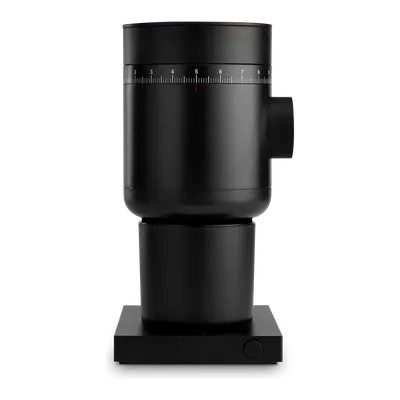
Stepless, with 48 mm conical steel burrs. Whole Latte Love lists a 30 g espresso cup with a 58 mm portafilter adapter in the box, so it grinds straight into the Gaggia’s portafilter.
Step up: what our rules rank first
-
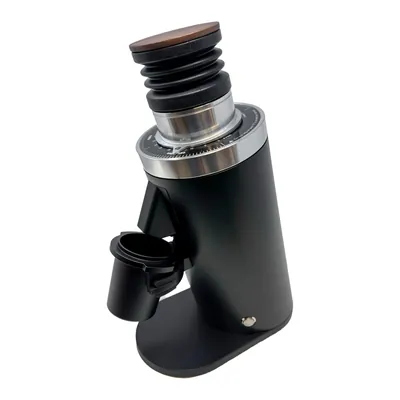
64 mm flat burrs, stepless, single-dose, per Turin. Of the grinders our pairing rule allows with the Gaggia, our scoring ranks it first.
-
55 mm flat burrs, stepless, with timed doses from a hopper, per Eureka. Espresso Aficionados lists good grind quality, precise dosing, small, quiet and fast; on the downside, not easily switched to filter and not amazing for single-dosing.
-
50 mm flat burrs and stepless adjustment, per the retailer listing. A hopper grinder at the same price as the single-dose Mignon Zero.
Prices as of Oct 27, 2026; they may have changed, so check the retailer. Links may become affiliate links; as of launch none are. Disclosure.
None of these quite you?
Five questions gets a pick for your exact answers.
Questions
Does the Gaggia Classic Pro need an expensive grinder?
Not expensive, but capable. Its commercial baskets are non-pressurized, so the grinder has to go fine and adjust in small steps. A hand grinder such as the 1Zpresso J-Ultra does that for about $200; stepless electrics in our data start at about $200.
Can I use the pressurized basket instead?
Yes. Gaggia says the included pressurized basket is for ground coffee and ESE pods, and it is a fine way to start. Switch to the commercial baskets when you have an espresso-capable grinder; that is where the grinder makes a difference.
Is the Baratza Encore ESP enough for a Gaggia Classic Pro?
It can grind for espresso, with 20 finer steps for it per Baratza, but stepped adjustment is a weaker fit for the commercial baskets, and our scoring ranks it near the bottom of the grinders that fit the Gaggia. Baratza’s Encore ESP Pro is stepless.
What else should I budget for with a Classic Pro?
Espresso Aficionados suggests budgeting at least another $60 for better baskets and a tamper, since it considers the included ones not worth keeping. It also lists a PID among the modifications the machine needs to shine; Gaggia’s spec list shows no electronic temperature control.
Are these prices current?
They are snapshots from the date shown at the top of the page, read from each retailer’s listing. Prices and availability change, so check the retailer before you buy.
Sources
Specs from the manufacturers' pages, except where marked; prices from the retailer listings below, read on Oct 27, 2026.
- Gaggia Classic Pro E24: manufacturer page (specs)
- Gaggia Classic Pro E24: Whole Latte Love listing (price, checked Oct 27, 2026)
- 1Zpresso J-Ultra: manufacturer page (specs)
- 1Zpresso J-Ultra: 1Zpresso listing (price, checked Oct 27, 2026)
- KINGrinder K6: manufacturer page (specs)
- KINGrinder K6: Amazon listing (price, checked Oct 27, 2026)
- Turin DF54: manufacturer page (specs)
- Baratza Encore ESP Pro: manufacturer page (specs)
- Baratza Encore ESP Pro: Clive Coffee listing (price, checked Oct 27, 2026)
- Baratza Encore ESP Pro: Seattle Coffee Gear listing (price, checked Oct 27, 2026)
- Baratza Encore ESP Pro: Whole Latte Love listing (price, checked Oct 27, 2026)
- Fellow Opus 2: manufacturer page (specs)
- Fellow Opus 2: Whole Latte Love listing (price, checked Oct 27, 2026)
- Fellow Opus 2: Seattle Coffee Gear listing (price, checked Oct 27, 2026)
- Turin DF64 Gen 2: manufacturer page (specs)
- Eureka Mignon Specialita: manufacturer page (specs)
- Eureka Mignon Specialita: Clive Coffee listing (price, checked Oct 27, 2026)
- Eureka Mignon Specialita: Whole Latte Love listing (price, checked Oct 27, 2026)
- Eureka Mignon Facile: manufacturer page (specs)
- Eureka Mignon Facile: Whole Latte Love listing (price, checked Oct 27, 2026)
- Baratza Encore ESP: manufacturer page (specs)
- Baratza Encore ESP: Clive Coffee listing (price, checked Oct 27, 2026)
- Baratza Encore ESP: Seattle Coffee Gear listing (price, checked Oct 27, 2026)
- Baratza Encore ESP: Whole Latte Love listing (price, checked Oct 27, 2026)
- Espresso Aficionados: entry espresso machines (community guide)
- Espresso Aficionados: entry grinder recommendations (community guide)
- Espresso Aficionados: midrange grinder recommendations (community guide)